
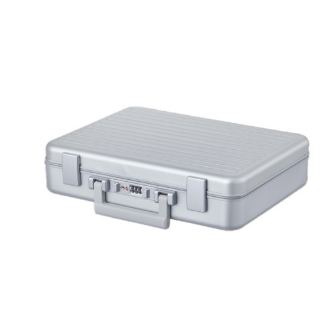
The Ultimate Guide to Protective Storage: Why Aluminum Storage Case Is the Professional Choice for 2026
In fields from photography and medical equipment to engineering tools and sensitive electronics, professionals rely on protective storage that can travel, endure harsh environments, and keep gear organized. For 2026, the aluminum storage case remains the gold standard. Its blend of toughness, lightweight design, and adaptability makes it a smart long-term investment. This guide explains why Aluminum Storage Case options are so valued, how they deliver lasting value, and the modern trends reshaping protective storage. If you’re shopping, you can explore the Aluminum Storage Case category at msacase.com here: https://www.msacase.com/product-category/aluminum-storage-case/.
Why Aluminum Storage Case stands out
- Superior strength-to-weight ratio: Aluminum provides robust protection without the hefty weight of steel. This makes transport easier and reduces fatigue on teams carrying gear across sites, airports, or studios.
- Corrosion resistance and durability: Aluminum resists rust and wears well in varied climates. With reinforced corners, solid latches, and reliable closures, these cases stand up to daily use, rain, dust, and temperature swings.
- Customizable interiors: The interior is highly flexible—custom foam inserts, dividers, and modular trays can be configured to cradle lenses, meters, tools, or delicate electronics with precision. This reduces movement and impact during transit.
- Weather and security options: Many aluminum cases come with gasket sealing and secure latching options, creating a protective barrier against moisture and inadvertent openings. Optional integrated locks add security for valuables on location.
- Longevity and reuse: A well-made aluminum case can serve multiple teams and projects across years. Its modular design supports repurposing interiors and adapting to new gear without buying a new shell.
- Professional aesthetics and branding: A clean, professional finish—often powder-coated or anodized—projects a reliable image and can be customized with color codes or branding for teams and events.
Durability and protection in practice
- Impact resistance: Aluminum frames and shells absorb shocks while maintaining structure, protecting sensitive gear from drops and bumps. A sturdy lid, reinforced edges, and robust latches minimize the risk of gear displacement.
- Temperature and environment: Aluminum handles heat well, guarding sensitive components against overheating during long exposures or fieldwork. Seals and gaskets offer moisture protection, while interior padding cushions delicate items from vibration.
- Interior protection: Foam inserts and padded dividers cradling each asset reduce movement. Pick-and-pluck foam and pre-cut shapes let you tailor the interior to the exact gear footprint, improving protection and organization.
- Weather and dust ingress: When you need protection outdoors or in challenging locations, weather-sealed aluminum cases help keep contents clean and dry, preserving performance and longevity.
- Reliability under travel: With robust hinges and secure clasps, aluminum cases stay closed through rough handling, baggage handling, and long commutes, delivering reliable protection when it matters most.
Cost-efficiency over time
- Higher upfront value, lower lifecycle cost: Aluminum cases may require a larger initial investment than basic plastic options, but their durability, reusability, and reduced replacement frequency translate to a lower total cost of ownership over time.
- Resale and adaptability: A high-quality aluminum case retains appeal and can be repurposed for different projects or teams, supporting resale value and extending its usefulness beyond a single job.
- Lower maintenance: Unlike cases with fragile components, aluminum shells resist cracking and warping. With periodic checks of latches and seals, your investment remains dependable with minimal ongoing maintenance.
- Reduced risk of gear damage: The combination of rugged construction and precise interior fit minimizes gear damage, which lowers costs from damaged equipment and downtime.
Modern trends shaping aluminum storage in 2026
- Smart features for proactive protection: The latest Aluminum Storage Case options are increasingly embracing smart tech. Integrated sensors monitor shock, temperature, and humidity inside the case, providing real-time status to crews and managers. GPS tracking helps locate cases on the move, while smart locks and app-based access control improve security and audit trails.
- Sustainability and circular design: Manufacturers are shifting toward recycled aluminum, longer-lasting components, and more sustainable interior materials. Recyclability and repairability are becoming a differentiator, aligning with corporate sustainability goals and responsible procurement policies.
- Weight optimization without sacrificing strength: Advances in alloy selections, wall thickness optimization, and intelligent geometry keep cases sturdy while reducing overall mass. Lightweight, rugged options help cut shipping costs and ease handling on-site.
- Modular and scalable configurations: Teams increasingly favor stackable, modular layouts that can be reconfigured for different projects. Interchangeable interior kits and configurable dividers support a growing range of gear without buying entirely new shells.
- Aesthetics meeting function: Finishes and colors are trending toward not only durability but also clear organization. Color-coded interiors, legible labeling, and durable exterior coatings enhance efficiency in busy environments.
- Standards and safety considerations: As industries evolve, protective cases are being designed to meet sector-specific requirements—like anti-static interiors for electronics or flame-retardant materials for certain lab contexts—without compromising portability or protection.
How to choose the right Aluminum Storage Case
Ask these practical questions to guide your selection:
- What are you transporting? Size, shape, weight, and fragility determine interior needs and case dimensions.
- What level of protection is required? Consider impact resistance, waterproofing or dust resistance, temperature sensitivity, and vibration protection.
- How will you transport and store it? If you travel a lot, wheels, telescoping handles, and ergonomic grips improve handling and reduce fatigue.
- How important is security? Evaluate lock types, key management, and tamper-evident features for sensitive gear.
- What interior configuration works best? Foam type (open-cell vs closed-cell), cutouts, and adjustable dividers impact fit and efficiency.
- What is the total cost of ownership? Weigh upfront price against expected lifespan, reusability for future gear, and potential resale value.
- Do you need smart features or sustainability options? Decide if GPS, sensors, or smart locks, as well as eco-friendly materials, fit your priorities.
- What warranty and service support are offered? Look for reasonable warranty terms, replacement parts availability, and accessible customer support.
Bringing it together for 2026
An Aluminum Storage Case remains the professional’s choice because it aligns durability, efficiency, and technology with real-world needs. The best cases protect valuable gear, streamline workflows, and adapt to evolving projects—all while presenting a professional, organized image. For teams prioritizing reliability, the category offers a spectrum of shells, interiors, and features that can be tailored to exact requirements.
Where to find the right Aluminum Storage Case
To explore current options, features, and interior configurations, visit the Aluminum Storage Case category. You’ll find shells designed for rugged fieldwork, portable options for on-site shoots, and modular interior kits that turn a single case into a customized protective system. For direct access, see https://www.msacase.com/product-category/aluminum-storage-case/.
Frequently Asked Questions
What are aluminum storage cases used for?
Aluminum storage cases are used to safely store, organize, and transport equipment, tools, electronics, instruments, and other valuable items that require durable protection.
Why are aluminum storage cases a professional choice?
Aluminum storage cases offer a combination of durability, lightweight construction, organized storage, and reliable protection, making them suitable for professionals across various industries.
How do I choose the right aluminum storage case?
Consider the size and weight of your equipment, required interior space, portability, protection level, and whether you need custom foam inserts or specialized compartments.
Are aluminum storage cases suitable for frequent transportation?
Yes. Their sturdy construction and portable design make aluminum storage cases suitable for frequent transportation, helping protect equipment during handling, travel, and storage.