

Protective hard-shell cases are built to be tough, light, and dependable. They shield valuable equipment, instruments, and tools while withstanding the rigors of travel and daily use. But like any durable gear, they perform best when they’re cared for properly. A simple maintenance routine can extend the life of your case, preserve its appearance, and keep hardware functioning smoothly for years.
This practical guide covers exterior cleaning, interior care, hardware maintenance, and storage tips to help you get the most from your investment. With consistent care, a quality protective case can provide reliable service for a decade or more.
Regular Cleaning Routine: Building a Simple, Repeatable Habit
Creating a straightforward routine makes long-term care manageable and ensures nothing gets overlooked. Aim to perform these steps every few weeks or immediately after exposure to harsh conditions like salt spray, dust storms, or heavy rain.
Step 1: Clear and Inspect
Empty the case completely and wipe down the interior to remove debris, dust, or any loose particles. This is your opportunity to thoroughly inspect all components. Check latches, hinges, seals, and wheels (if your model has them) for looseness, wear, or damage. Catching small issues early prevents failures during critical trips.
Look for signs of stress on corners and edges—these high-impact zones show wear first. Check that foam inserts still fit snugly and haven’t compressed to the point where equipment can shift. Examine fabric liners for tears or separation from backing surfaces.
Step 2: Exterior Wash
Rinse the exterior lightly with clean water to remove surface dirt and salt residue. Then wipe with a mild soap solution—pH-neutral dish soap works well and won’t damage finishes or seals. Apply the soap solution with a soft cloth or non-abrasive sponge, working in gentle circular motions.
Avoid abrasive cleaners, solvents, or lacquer thinners that can dull finishes or degrade rubber seals. These harsh chemicals may seem effective for tough stains, but they compromise the protective coatings and gasket materials that make your case weather-resistant.
Pay special attention to recessed areas around handles, latches, and corners where dirt accumulates. Use a soft-bristle brush for textured surfaces or grooves, but never use wire brushes or abrasive pads that scratch protective finishes.
Step 3: Rinse and Dry
Rinse away all soap residue with clean water. Soap left on surfaces can attract dust and create a film that dulls the appearance over time. After rinsing, dry thoroughly with a soft microfiber cloth—these cloths absorb water effectively without scratching.
Leave the case slightly ajar for 10-15 minutes to air out any moisture trapped in corners or around gasket seals. This prevents moisture accumulation that could lead to mildew or corrosion of interior hardware. Never seal a damp case for storage, as trapped moisture accelerates deterioration.
Step 4: Interior Maintenance
Wipe interior surfaces with a damp (not wet) cloth to remove dust and debris. For cases with fabric liners, spot-clean with a mild detergent solution, being careful not to oversaturate foam or padding. Excessive moisture can degrade foam structure and weaken adhesives that bond liners to case walls.
If you use your case in dusty environments, consider using a soft brush or vacuum with a brush attachment to remove particles from foam crevices before wiping. This prevents grinding dust into foam during cleaning, which can accelerate foam breakdown.
Allow everything to dry completely before placing items back inside. If you cleaned fabric extensively, prop the case open in a well-ventilated area for several hours or overnight to ensure complete drying.
Exterior Care: Preserving the Finish and Resisting Wear
The exterior finish protects the underlying material from corrosion, impacts, and UV damage. Different finishes require slightly different care approaches, but gentle treatment applies universally.
Understanding Your Case Finish
Hard-shell cases typically feature bare metal, painted, or anodized finishes. Each requires slightly different care, but all benefit from gentle cleaning with mild soap and water as the primary maintenance approach.
Cleaning Different Finish Types
Start with the gentlest method—mild soap and water with a soft cloth. This handles most routine cleaning needs without risking finish damage. For stubborn grime, let the soap solution sit for a minute before wiping.
Light oxidation on bare metal can be addressed with non-abrasive metal polish or a baking soda paste. Apply in small circles, then buff to restore shine. Test on a hidden area first.
Painted surfaces benefit from occasional application of light wax or polymer spray designed for metal. Anodized surfaces should never be cleaned with alkaline or highly acidic solutions—stick to mild soap and water.

Dealing with Scratches and Damage
Minor surface scratches may be minimized with metal polish. Work the polish into the scratch with a soft cloth, using multiple light applications. Deep scratches that penetrate protective finishes expose base material to corrosion and should be addressed promptly.
Small dents generally affect appearance more than function, but dents near latches, hinges, or seals can interfere with proper closure. Structural damage affecting the case frame or corners compromises protection and should be evaluated professionally.
Interior Care: Protecting Your Valuables
The interior environment directly affects your equipment. Proper interior maintenance prevents contamination, moisture damage, and premature foam degradation.
Foam Insert Maintenance
Foam inserts absorb shock and prevent equipment movement. Over time, foam compresses where equipment rests, reducing protective effectiveness.
Check foam regularly for compression or crumbling. Press on foam areas—it should rebound quickly. Foam that stays compressed or feels brittle needs replacement. Vacuum foam gently to remove dust, or spot-clean with a barely damp cloth. Avoid soaking foam as it takes days to dry and can develop mold.
Replace foam when it no longer holds equipment snugly or shows visible deterioration. Fresh foam restores protection and extends case life significantly.

Fabric Liner Care
Vacuum fabric periodically using a brush attachment to remove dust. For stains, use a mild detergent solution applied with a barely damp cloth. Blot rather than rub, rinse by blotting with clean water, then air dry completely. Never saturate fabric liners—excessive moisture weakens adhesives and creates conditions for mold.
Moisture Control
Control interior moisture to prevent corrosion and mold. Place silica gel packets inside stored cases and replace when saturated. If you detect musty odors, remove contents, clean thoroughly, and air-dry the open case for 24-48 hours. After trips involving rain or humidity, air out cases before long-term storage.
Hardware and Seals: Latches, Hinges, Wheels, and Gaskets
Well-functioning hardware is essential for reliable protection. Regular maintenance keeps mechanical components operating smoothly and extends service life.
Latch and Hinge Maintenance
Latches and hinges experience constant stress. Wipe away dirt and old lubricants with a clean cloth. Apply light machine oil or silicone lubricant to pivot points, work through full range of motion, and wipe away excess. Lubricate every 3-6 months with regular use, or immediately if you notice stiffness. Test that latches close securely and hinges move without binding.
Gasket and Seal Care
Weather-resistant cases depend on intact gaskets. Examine gaskets for cracks, permanent flattening, or separation. Gently wipe with a damp cloth to remove dirt and salt. Never use solvents or harsh cleaners. Keep gaskets lightly coated with silicone grease (if recommended) to maintain flexibility. Replace cracked, flattened, or torn gaskets promptly to restore weather resistance.
Wheel and Foot Maintenance
For wheeled cases, check for wobble, cracks, or loose mounting hardware. Wheels should spin freely without grinding. Remove debris wrapped around axles and lubricate with light oil. Replace worn wheels before they fail. Check that rubber feet are firmly attached and replace deteriorated feet to prevent scratching.
Fasteners and Structural Hardware
Periodically inspect visible fasteners for tightness, especially handle mounting, latch hardware, and corner reinforcements. Use appropriate tools to tighten loose screws without overtightening. For fasteners that repeatedly loosen, consider thread-locking compound. Replace missing fasteners promptly with correct size and type.
Storage and Long-Term Protection: Setting Up for Success

How you store your protective case significantly affects its condition over time. Proper storage prevents unnecessary wear and extends service life.
Choosing Storage Locations
Store cases in cool, dry locations away from direct sunlight. UV exposure fades finishes and degrades foam, rubber gaskets, and fabric. Avoid concrete floors where moisture can transfer upward, and unventilated spaces with extreme temperature fluctuations. Keep cases away from chemicals or fertilizers. Climate-controlled storage is ideal but not always practical.
Positioning and Stacking
Stand or lay cases on soft surfaces to avoid corner damage. If stacking, place heavier cases on bottom and distribute weight evenly. Don’t stack so high that removal becomes difficult. Keep cases closed during storage to preserve gaskets, but slightly loosen latches for long-term storage to prevent permanent gasket compression.
Regular Inspection During Storage
Every few months, inspect stored cases for moisture, mildew, or pest activity. Verify gaskets haven’t dried out and hardware remains functional. Replace desiccants and air out cases briefly if they’ve been closed for extended periods.
When to Seek Professional Service
Most maintenance can be performed by owners, but some situations require professional expertise. Structural damage affecting frame or corners, compromised gasket systems, and broken latches or hinges may need professional repair to restore full functionality and weather resistance.
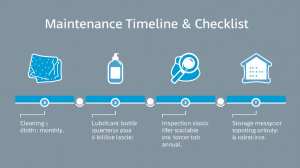
Quick-Reference Aluminum Case Maintenance Checklist
Use this checklist for routine maintenance:
After Each Use:
- Empty and inspect for loose hardware and damaged seals
- Remove debris and dust from interior
- Check equipment fit—adjust foam if items shift
Monthly or After Harsh Conditions:
- Clean exterior with mild soap and water
- Dry thoroughly; air out moisture
- Clean interior surfaces; spot-clean fabrics
- Inspect gaskets and seals for damage
Every 3-6 Months:
- Lubricate moving parts (latches, hinges, wheels)
- Wipe away excess lubricant
- Check and tighten all visible fasteners
- Test latch function and gasket condition
- Replace or refresh desiccants
Annually or As Needed:
- Deep clean interior including foam
- Polish or treat exterior finish
- Replace worn foam inserts
- Replace deteriorated gaskets
- Service or replace worn wheels
- Evaluate need for professional service
Storage Preparation:
- Clean completely before storing
- Air-dry fully
- Add fresh desiccants
- Store in cool, dry location
- Check periodically during storage
Final Thoughts
Routine care maximizes protective case performance and longevity. By following these practical steps, your case will remain protective, functional, and visually appealing through years of demanding use.
Whether you use a compact case for cameras, a rugged case for instruments, or a large case for tools, the fundamentals remain the same: gentle cleaning, careful inspection, proper lubrication, and thoughtful storage.
Make maintenance a habit rather than an afterthought. Set reminders for periodic inspections, keep basic supplies on hand (mild soap, microfiber cloths, light lubricant), and address issues promptly. This proactive approach ensures your protective case is always ready to perform—trip after trip, year after year.
Your protective case is more than storage—it’s an essential tool that protects valuable equipment. Treat it with care, and it will serve you reliably for a decade or more.
Frequently Asked Questions
How often should I clean an aluminum case?
The cleaning frequency depends on how often the case is used and the environment in which it is handled. Regular cleaning helps maintain its appearance and condition.
What should I use to clean an aluminum case?
Use a soft cloth, mild soap, and water for routine cleaning. Avoid harsh chemicals, abrasive cleaners, or rough materials that could damage the case surface.
How do I remove dirt and stains from an aluminum case?
Gently wipe the affected area with a soft cloth dampened with mild soapy water. For stubborn dirt, repeat the process rather than using abrasive tools or aggressive chemicals.
How can I prevent damage while cleaning an aluminum case?
Clean the case gently, avoid excessive moisture around hardware and interior components, and dry the surface thoroughly after cleaning to help maintain its condition.