
Traveling with high-value items—cameras, lenses, confidential documents, or irreplaceable gear—can feel like a high-stakes balancing act. You want to protect your belongings without adding unnecessary weight or expense, and you want a solution that works whether you’re navigating airports or shipping items across borders. This blog dives into how aluminum locks and latches can play a crucial role in safeguarding expensive gear during flights or shipping, and it shares practical tips to help you choose, use, and maintain them effectively.
Understanding the risk and the value of a layered approach
No lock is foolproof, and no single measure guarantees absolute security. The goal is to create layered safeguards that deter opportunistic theft, minimize the impact of tampering, and buy you time to respond if something goes wrong. Aluminum locks and latches fit well into that layered approach for several reasons:
- Visible deterrence: A sturdy aluminum lock signals that the bag or container is worth extra effort to access. This alone can discourage casual thieves who look for easy targets.
- Lightweight durability: Aluminum offers excellent strength-to-weight ratio, making it practical for travel where every ounce matters. Lighter gear means less fatigue during long trips.
- Corrosion resistance: Travel involves varied climates—humid airports, rain, or salty sea air on ship shipments. Aluminum bodies resist corrosion, helping ensure your locking hardware remains functional across trips.
- Compatibility with various enclosures: Aluminum locks and latches are available in several formats—padlocks, combination locks, cam latches, hasps, and other securing mechanisms—so you can tailor protection to luggage, camera cases, archival boxes, or shipping crates.
What makes aluminum locks a smart choice for high-cost items
Aluminum’s natural properties translate well into travel security when the product design leverages the right features. Here’s what to look for and why it matters:
- Strong yet light: Aluminum alloys used in good locking hardware provide solid resistance to bending and torsion without adding heavy weight. This is particularly helpful for travelers who need to move through airports and check-in counters efficiently.
- Anodized finishes for longevity: Anodizing increases surface hardness and wear resistance. A well-applied anodized aluminum lock resists scratching, reduces corrosion, and maintains a clean, professional appearance even after rough handling.
- Integrated locking geometry: High-quality aluminum locks often feature robust internal components—precision pins or discs, hardened steel shackles, and a secure hasp interface—that resist everyday manipulation and minor prying attempts.
- Weather and climate resilience: Aluminum holds up well in a range of conditions—from pressurized cabins to damp basements at sorting facilities—before you reach your final destination.
- Cost balance: Aluminum often offers a favorable middle ground between plastic and more exotic metals. It delivers meaningful durability without the price tag that comes with some specialty alloys.
Important caveats: what aluminum locks can and cannot do
- Not invincible: A determined thief with the right tools can defeat many locks. The aim is to raise the effort required to access your valuables to reduce the risk of loss during the brief windows you’re in transit.
- Not a substitute for smart packing: A lock is not a suitcase warranty. Always use protective cases, organize items in padded compartments, and avoid displaying high-value gear in public spaces.
- TSA and inspection realities: For air travel, some locks are designed to be opened by security authorities (TSA or equivalent) without breaking. If you want inspection-friendly behavior, look for locks explicitly marked as TSA-approved. If you choose a non-TSA-aligned lock, be aware that it may be cut or damaged if checked baggage requires inspection.
- Material synergy matters: The best security comes from a combination of solid aluminum locking hardware and compatible, tamper-resistant latches and seals. A lock alone won’t compensate for weak case design or unsecured internal contents.
Choosing the right aluminum lock or latch for flights and shipping
To maximize protection for high-cost items, evaluate the following features when shopping for aluminum locks and latches:
- Body construction: Look for solid aluminum bodies with minimal seams, preferably with an anodized finish. Avoid locks with lightweight, hollow shells that could be easily crushed or pried.
- Shackle quality: A thick-walled, hardened steel shackle set into an aluminum body adds resistance to cutting and bending. If the design uses a sliding or hinged shackle, ensure the connection points are reinforced.
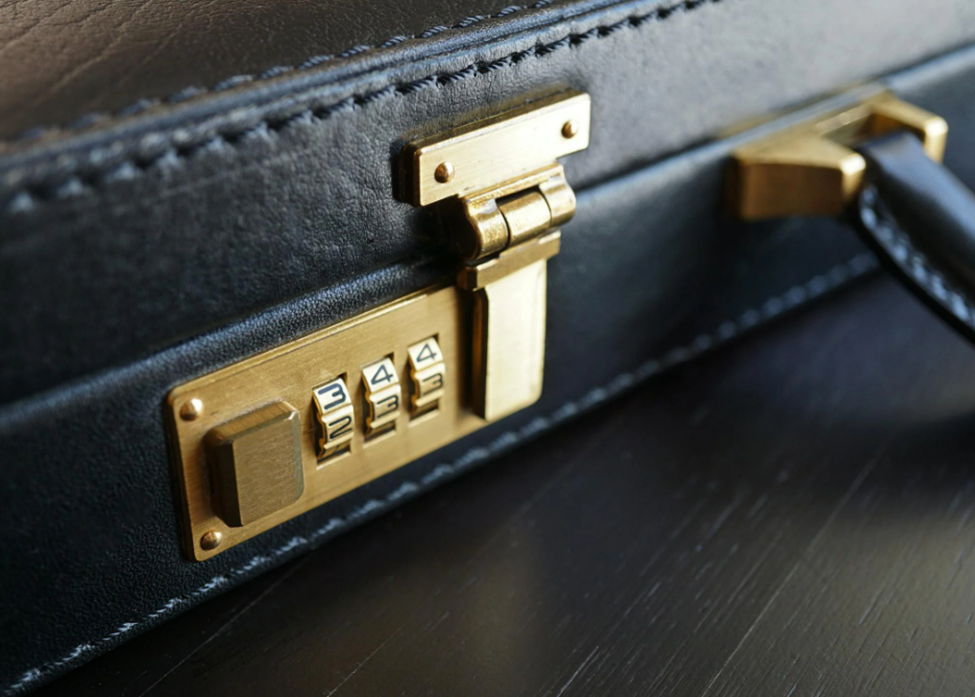
- Locking mechanism: Three common options are disc-detainer, pin-tumbler, or combination mechanisms. Choose a mechanism you’re comfortable using and that provides adequate resistance to picking or brute-force attempts. For travel, a user-friendly combination lock can be practical, but ensure the mechanism is well-protected against jam and corrosion.
- Anti-tamper features: Consider features like tamper-evident housings, reinforced hasps, and protective covers that reduce the risk of prying or accidental opening during handling.
- Seals and indicators: Some aluminum latch systems include tamper seals or indicators that show if a container has been opened. This can add an extra layer of assurance when shipping high-value items.
- Weatherproofing: If you’ll be exposed to rain, humidity, or salt spray, select weather-sealed designs that resist water ingress and corrosion.
- Size and fit: Ensure the lock or latch fits your specific enclosure—cameras, gear cases, archival boxes, or shipping crates. A tight fit reduces leverage opportunities for potential thieves.
Best practices for protecting valuable gear during flights and when shipping
A robust approach combines the right hardware with smart handling and preparation. Here are practical steps you can take:
- Use a dedicated, hard-shell case for high-cost items: A purpose-built case offers internal padding and rigid walls that minimize movement. Inside the case, position valuables in their own padded compartments with soft dividers.
- Lock with purpose, not just appearance: Pair an aluminum lock or latch with a protective exterior case. If your bag supports more than one locking point, use multiple locks to reduce easy access to contents via a single compromised point.
- Don’t rely on a single layer: Combine a lock with tamper-evident seals on exterior zippers or latches. For shipping, consider a secondary security measure such as a barcoded or serialized seal that can be tracked.
- Keep a record of your valuables: Photograph serial numbers, model details, receipts, and insurance paperwork. Store digital copies securely. In case of loss, this information can streamline claims and identification.
- Carry-on when possible for irreplaceables: If airline policies permit, keep high-value items in your carry-on bag rather than checked luggage. This reduces exposure to rough baggage handling.
- Pack smartly: Use anti-shock padding, silica gel, and anti-static liners as needed to minimize movement and moisture exposure inside cases.
- Separate items and use multi-lock strategies: Do not place all valuables in one lockable container. If possible, use one lock for the outer case and a separate internal lock for especially sensitive components (e.g., lenses within a dedicated sub-case).
- Consider insurance and service plans: For ultra-high-value gear, travel insurance or equipment-specific coverage provides financial protection beyond what locks offer.
- Be mindful at checkpoints: If your locks are TSA-approved, security personnel can inspect without breaking the lock. If not, the risk of lock removal increases, so plan accordingly.
Maintenance and care for aluminum locking hardware
- Clean regularly: Wipe down aluminum surfaces with a soft, damp cloth. Avoid harsh chemicals that can deteriorate anodized coatings.
- Lubricate sparingly: Use a light lubricant on internal mechanisms if the keyway or combination mechanism feels stiff. Wipe away excess to prevent attracting dust.
- Inspect for wear and corrosion: Periodically check for scratches, chips, or discoloration. Address any signs of corrosion early to prevent weakening the body or the shackle.
- Replace worn parts: If the locking mechanism or shackle shows visible wear, replace the unit. A failing lock is less protective than a new, well-maintained one.
- Store properly: When not in use, store locks in a dry, cool place away from direct sunlight to maintain coating integrity and mechanisms.
Real-world tips for travelers and shipers
- For events and shoots: If you’re traveling with a camera kit for a shoot, consider a two-layer security approach—an outer water-resistant case with an aluminum lock, and inside, smaller pads or quick-access pouches that keep gear from rattling and prevent accidental exposure.
- For document security in transit: Sensitive documents can benefit from a tamper-evident seal in addition to an aluminum latch on a sturdy binder or briefcase. This makes it clear if someone has opened the package before it reaches you.
- For shipping fragile gear: Choose a shipping crate or box with reinforced corners and shock-absorbing inserts. Use lockable latches on the crate, and apply tamper-evident seals to the crate lid so you know if the packaging has been accessed.
Frequently asked questions
- Are aluminum locks secure enough for flights? They can be, especially when combined with a robust case and other security measures. Look for a solid aluminum body, hardened internal components, and weather resistance. If you need to comply with security inspections, consider TSA-approved options and ensure you understand your airline’s baggage guidelines.
- Will aluminum locks set off alarm or be damaged during inspection? If you use TSA-approved locks, they can be opened by security personnel without damage. If you use non-approved locks, there is a risk they may be cut or forcibly opened. Always evaluate your flight’s security policies and opt for approved options if you anticipate inspections.
- How do I know which lock or latch is best for my gear? Assess what you’re protecting (case type, items inside, shipping method) and pick a lock with a sturdy aluminum body, a reputable locking mechanism, and features like anti-tamper or weatherproofing. Read product specifications carefully and, if possible, rely on user reviews and expert recommendations.
Conclusion
Travel security for high-value items hinges on thoughtful preparation, smart hardware choices, and layered protection. Aluminum locks and latches offer a compelling mix of light weight, durability, and resilience that make them well-suited for protecting cameras, documents, and other valuables during flights or shipping. By selecting the right design, using complementary security practices, and maintaining your hardware, you can reduce risk and keep your gear safer on every journey.
If you’re looking to bolster your travel security with reliable aluminum locking solutions, consider evaluating your cases and latches against the features outlined above. A small investment in the right hardware can pay off with peace of mind that travels with you.
Note: This article is intended for informational purposes and should not be construed as legal or security advice. Always follow local regulations, airline policies, and shipping guidelines when transporting valuables.
Frequently Asked Questions
Why are locks and latches important for aluminum cases?
Locks and latches help keep an aluminum case securely closed, protecting stored equipment and valuables from accidental opening during transportation or handling.
Are aluminum cases with secure locks suitable for travel?
Yes. Aluminum cases with reliable locking mechanisms are suitable for travel because they help keep equipment contained and provide added security during transportation.
What can be protected in a locked aluminum case?
Locked aluminum cases can help secure electronics, tools, instruments, photography equipment, medical supplies, documents, and other valuable or sensitive items.
How do latches improve aluminum case security?
Latches help maintain a firm closure and prevent the case from opening unexpectedly. When combined with suitable locks, they provide an additional layer of protection for stored items.