
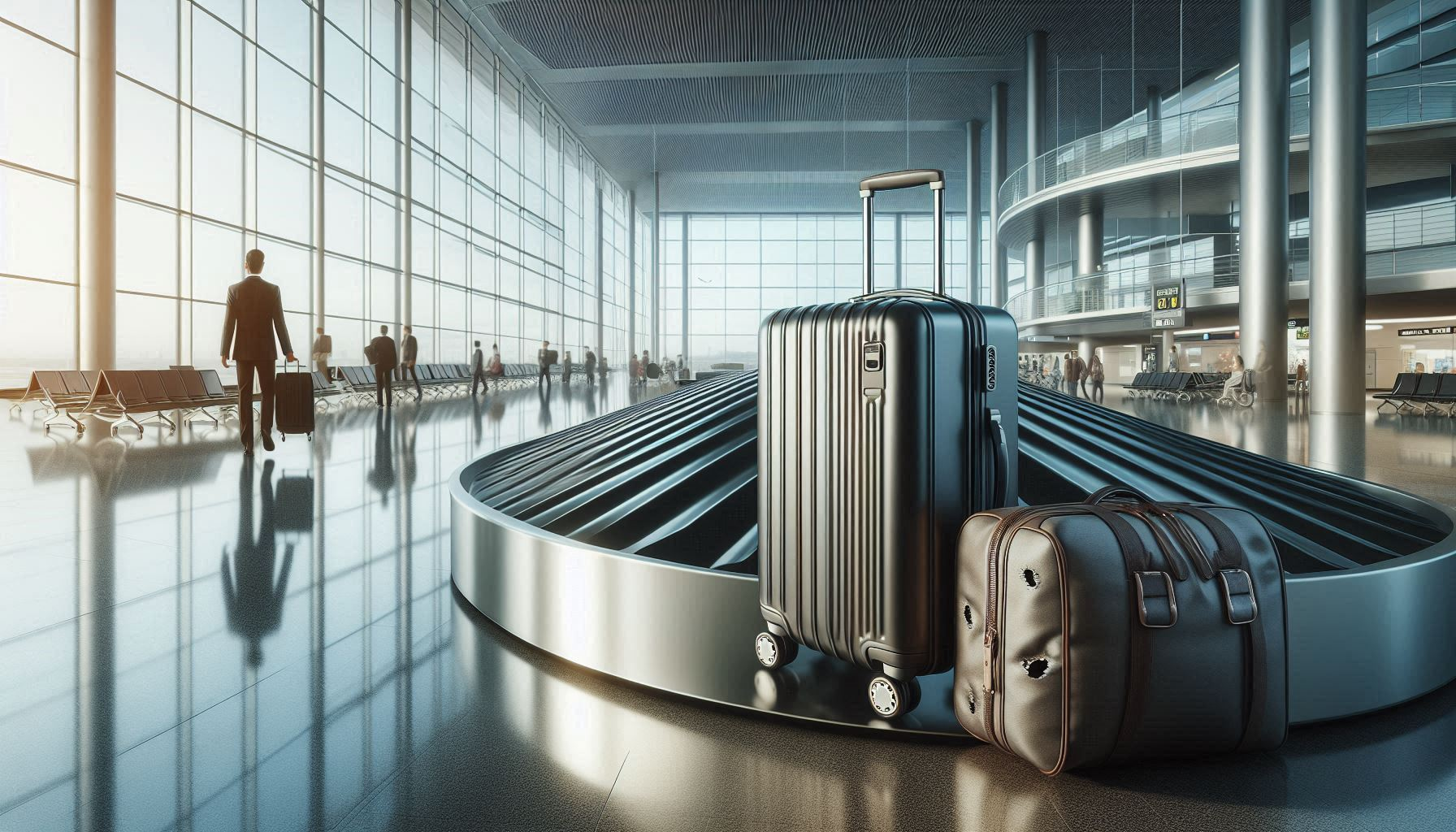
Travelers and professionals carry more valuable gear than ever before. Laptops, cameras, audio gear, instruments, essential tools, and confidential documents all ride along on airplanes, trains, and cars. Regular soft-sided luggage can struggle under the weight, the knocks, and the unpredictable twists of travel. The result? Gear that’s scratched, damaged, or—worse—unusable when you arrive.
That’s where hard protective cases come in. Built to endure the shocks of travel, offering solid protection for delicate equipment, and presenting a professional, organized look, hard-shell cases are a compelling alternative to conventional luggage. In this post, we’ll explore why protective aluminum cases consistently outperform regular luggage and how to pick the right one for your travel and work needs.
Durability That Shields Your Valuables
A rugged shell makes the difference when you’re juggling carry-ons, stacking bags in overhead bins, and navigating rough baggage handling. Hard protective cases excel here because the shell is rigid and resistant to crushing forces far better than most soft-shell or fabric luggage. The rigid panels distribute impact across a broad surface, reducing the chance that a sudden drop or a bump against a cart damages the interior.
Beyond the shell, the corners and edges of many protective cases are reinforced to absorb impact at the most vulnerable points. This reinforcement helps protect not just your gear’s exterior but also the products inside. A well-built hard case will use strong latches and a tight lid to keep the contents secure, even when the case is subjected to rough handling or inadvertent drops.
Security and Weather Resistance: A Shield for Your Gear
Travelers want cases that keep belongings secure and dry. Protective aluminum cases often feature robust locking mechanisms, with options for TSA-compliant locks that add a layer of security without sacrificing accessibility for inspectors. A tight, gasket-sealed lid helps resist rain, snow, dust, and splashes—crucial when you’re moving through airports, rain-soaked streets, or dusty field sites.
The combination of a strong shell and dependable seals means your gear is less exposed to the elements during transit. Weather resistance isn’t just about keeping rain out—dust, humidity, and temperature fluctuations can damage sensitive equipment. Gasket-sealed cases create a controlled environment that protects cameras, measurement instruments, medical devices, and electronics.
Another benefit is tamper resistance. While no case is truly indestructible, protective metal cases with solid latches and secure closures can deter casual theft and prying. When you’ve invested in expensive gear, that deterrent matters. It’s a simple way to add peace of mind to every trip.
Interior Organization: Customization That Fits Your Gear
One of the most overlooked advantages of protective cases is interior adaptability. The right interior configuration turns a bulky, awkward load into a neat, accessible system. Many quality protective cases offer interior options such as foam inserts, adjustable dividers, and modular compartments designed to hold cameras, lenses, microphones, laptops, cables, and even fragile instruments with minimal shifting.
Custom Foam and Organization Systems
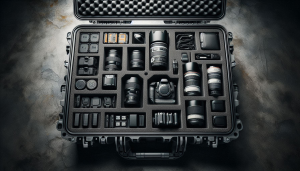
Pluck foam (also called pick-and-pluck foam) allows you to create perfectly fitted compartments for each piece of equipment. Your camera fits snugly in its space, lenses nestle in individual pockets, and accessories have designated homes. Nothing shifts, nothing collides, and everything stays exactly where you placed it.
This addresses a critical issue: movement inside the case causes as much damage as external impacts. When equipment rattles around in a bag, items collide repeatedly, causing scratched finishes, dented components, or cracked displays. Custom foam eliminates this movement entirely, while layered organization and modular systems let you reconfigure the interior as your equipment needs change.
Weight, Mobility, and Longevity: Making the Right Trade-offs
You’ll often hear that hard protective cases are heavier than soft luggage. That’s true in many cases, but the trade-off is well worth it for gear protection and longevity. Quality hard shells offer a superior strength-to-weight ratio compared with many traditional soft-shell options, especially when paired with thoughtful design, high-quality corner reinforcements, and efficient hardware.
Understanding the Weight Equation
Yes, a hard case might weigh 3-5 pounds more than comparable soft luggage. But consider what you’re protecting. If you’re carrying $5,000 in camera equipment, $3,000 in laptop and business gear, or $2,000 in professional tools, that extra weight is insurance against damage that could cost thousands to repair or replace.
For professionals who routinely transport sensitive equipment, the extra weight is a worthwhile investment in safeguarding the contents. The key is choosing appropriately sized cases that fit your actual gear needs without excess capacity that tempts overpacking.
Over time, protective aluminum cases can actually save money. They resist punctures and tears, won’t wear down the way fabric and zippers do, and can often be repaired or refurbished rather than replaced. Soft luggage typically lasts 2-3 years with regular use, while quality metal cases can provide 10-15 years of reliable service. When you factor in replacement costs over a decade plus prevented equipment damage, the initial investment often proves more economical.
Mobility and Practical Use
Modern protective cases incorporate features that offset weight concerns. Smooth-rolling wheels, telescoping handles, and ergonomic grip designs make even heavier cases manageable through airports and streets. For those who travel often or rely on reliable transport for critical equipment, aluminum cases represent a strong total-cost-of-ownership choice.
Real-World Scenarios: Who Benefits Most?
Photographers and Videographers
Expensive cameras, lenses, and accessories need maximum protection. Aluminum cases protect against drops, moisture, and tampering, while custom interior layouts keep gear from shifting during transit. A photographer carrying $10,000+ in equipment cannot afford to trust that investment to soft luggage. Beyond impact protection, the organizational benefits mean locating specific lenses or accessories quickly during paid shoots—the difference between professional efficiency and fumbling chaos.
Tech Travelers and Business Professionals
Laptops, tablets, and delicate peripherals benefit from rigid shells and secure closures. A well-organized interior reduces the risk of damage and speeds up security checks at airports. For business travelers, arriving with functioning equipment is essential for meeting commitments and maintaining professional credibility. A protective case prevents missed meetings, lost productivity, and potential client relationship damage.
Musicians and Audio Professionals
Musical equipment needs to withstand temperature changes and knocks. Aluminum cases with tailored interiors keep fragile mics, cables, and small mixers in place. Weather-sealed transport is crucial for maintaining instrument playability and sound quality, while professional aluminum cases signal care and professionalism during load-in at venues.
Field Engineers and Technicians
Tools and measurement instruments require reliable protection. Metal cases guard precision instruments and provide rugged, portable workstations that can travel between job sites. Calibrated measurement tools lose accuracy when subjected to impacts, and the organizational benefits mean finding the right tool quickly when everything has a designated location.
Choosing the Right Protective Case: Quick Guidance
Size and Airline Policy
Start with your typical gear footprint and how you travel. Check airline carry-on limits—most airlines allow around 22″ x 14″ x 9″—and ensure the case fits in overhead compartments or beneath seats if you prefer cabin packing. Remember that weight limits (typically 15-25 pounds) apply even to carry-ons, so pack strategically to accommodate the case’s own weight.
Shell Quality and Construction
Look for a solid shell with reinforced corners and a lid that closes with positive engagement. A tight seal and secure latches are non-negotiables for protecting contents. Examine construction quality: smooth seams, solid hardware, and quality hinges indicate a case built to last.
Locks and Security Features
Prefer cases with integrated locking options that can accommodate TSA-approved hardware. This adds security without complicating check-in. Built-in lock housings are often more secure than external padlock systems.
Interior Configuration Options
Foam inserts, adjustable dividers, and modular trays help you customize the fit for your gear, minimizing movement and shock transfer. Consider whether you need permanent custom-cut foam for consistent equipment, or adjustable systems for varying gear. Test configurations before critical trips—pack your equipment, close the case, and shake gently. If you hear rattling, adjust until everything fits snugly.
Weight Balance and Mobility
If you’re often on the go, wheeled designs with ergonomic handles and smooth-rolling wheels will save fatigue on long layovers or in busy terminals. Test handle comfort with the case weighted, and consider ground clearance if you travel to areas with rough pavement.
Durability for Real-World Use
Look for cases designed to endure repeated travel, with tested hardware and a finish that resists scuffs and corrosion. Read user reviews from people in your field—photographers have different needs than technicians, and real-world feedback reveals which cases truly perform under regular use.
Making the Investment Decision
For travelers and professionals who treat gear as an investment, protective aluminum cases provide a compelling mix of protection, security, and organization that regular luggage often can’t match. The rigid shell, secure closures, weather resistance, and interior customization make aluminum cases a practical, long-term solution for safeguarding valuables on every journey.
The decision ultimately comes down to value: what is preventing equipment damage worth to you? For professionals depending on gear for income, the answer is clear. For serious enthusiasts with significant equipment investments, the peace of mind and practical protection justify the cost. Even for occasional travelers with valuable electronics, a protective case represents smart risk management.
Consider not just the replacement cost of equipment, but the hidden costs of damage: lost productivity, missed opportunities, rush replacements, and stress. A protective case is insurance against all these scenarios, providing reliable protection trip after trip, year after year.
When you’re ready to upgrade your travel protection, evaluate your specific needs: equipment value and fragility, travel frequency and methods, size requirements, and budget. Match these factors to available options, prioritizing the features that matter most for your situation. The right protective case becomes an essential tool that enables travel with confidence, knowing your valuables will arrive as they left—ready to work when you need them.
Frequently Asked Questions
What is the difference between hard cases and traditional luggage?
Hard cases are designed primarily for enhanced protection and durability, while traditional luggage generally focuses more on convenient packing, portability, and everyday travel needs.
Are aluminum hard cases better for protecting valuable items?
Aluminum hard cases can provide a sturdy protective enclosure for valuable equipment, electronics, instruments, tools, and other items that need additional protection during transportation.
When should I choose a hard case instead of regular luggage?
A hard case is a practical choice when protecting fragile, expensive, or specialized equipment is more important than maximizing general packing capacity.
Can hard cases be used for frequent travel?
Yes. Durable hard cases are designed to withstand repeated handling and transportation, making them suitable for professionals and travelers who regularly carry valuable or sensitive equipment.