


Choosing the right protective case for your gear is more than a style choice—it’s a decision that directly affects how well your equipment survives transport, harsh conditions, and the test of time. Whether you’re a professional photographer hauling cameras through airports, a medical technician moving diagnostic equipment between facilities, or a musician touring with delicate instruments, the material you select shapes your entire protection strategy.
At MSACase, we manufacture a wide range of aluminum cases, so we understand how critical this decision is for professionals who depend on their gear. This comprehensive guide compares aluminum and plastic cases, explores where each material excels, and helps you determine which option best fits your equipment, budget, and usage scenarios.
Understanding How Case Materials Protect Your Equipment
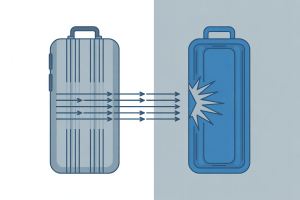
The fundamental goal of any protective case is straightforward: shield your valuable contents from everything the world throws at them. Impact forces during drops or collisions. Moisture from rain, humidity, or accidental spills. Dust and debris that can infiltrate sensitive electronics. Temperature swings that stress delicate components. Rough handling during shipping and transport.
But not all materials approach these challenges the same way. The protective performance of a case depends on several interconnected factors that work together to keep your gear safe. Structural rigidity determines how well the case maintains its shape under load and distributes impact forces across its surface. A rigid case prevents localized crushing that can damage contents, while also resisting deformation that might compromise seals or create entry points for moisture and dust.
Weight and handling comfort influence how practical your case is for real-world use. A case that’s too heavy becomes a burden, discouraging proper usage and potentially leading to handling accidents. Yet weight reduction can’t come at the expense of protection—the best cases strike a careful balance between robust construction and manageable portability.
Sealing capabilities against water and dust separate basic storage from serious protection. Quality cases incorporate gaskets, tight-fitting lids, and precision manufacturing that create effective barriers against environmental intrusion. This becomes especially critical for outdoor use, field work, or any situation where your equipment faces exposure to the elements.
Thermal management and interior stability often go overlooked until problems arise. Materials that conduct heat excessively or provide poor insulation can subject contents to damaging temperature fluctuations. The interior fit—how foam, dividers, and padding cradle your equipment—prevents shifting and collision damage during transport.
Customization potential allows you to tailor protection to your specific gear. Interior foam can be cut to precise shapes, dividers adjusted to accommodate various items, and branding added to reflect your professional identity. The exterior material’s ability to accept these customizations varies significantly between aluminum and plastic.
Cost considerations extend beyond the purchase price. Total cost of ownership includes the case’s lifespan, replacement frequency, repair possibilities, and the potential cost of damaged equipment if protection fails. A cheaper case that needs replacing every two years or that allows equipment damage proves more expensive than a durable case that serves reliably for a decade.
Environmental impact increasingly matters to conscious buyers. Recyclability, manufacturing energy requirements, and material sustainability all factor into the long-term environmental footprint of your protective case investment.
Why Aluminum Cases Deliver Exceptional Protection
Aluminum has become the material of choice for professionals who demand reliable protection in challenging conditions. Understanding what makes aluminum cases special helps explain why they command premium prices and loyal users.
Superior Structural Rigidity
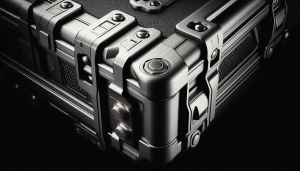
Aluminum frames and panels provide exceptional rigidity that plastic simply can’t match at comparable weights. This rigidity isn’t just about feeling solid—it directly translates to better protection. When an aluminum case experiences an impact, the rigid structure distributes loads across the entire case rather than allowing force to concentrate at the impact point. This distribution significantly reduces the stress transmitted to contents.
The rigid aluminum shell combined with reinforced corners and strong hardware creates a protective system that shields sensitive items like medical equipment, delicate instruments, professional photography gear, and precision measurement tools. For equipment where even minor jostling can cause calibration drift or component damage, aluminum’s rigidity provides essential stability.
Long-Term Durability That Justifies the Investment
Anodized aluminum surfaces resist corrosion and wear remarkably well. Unlike painted surfaces that chip or plastic that scuffs, anodized aluminum maintains its protective layer through years of rough handling. Aluminum endures repeated travel, frequent handling, and heavy stacking without bending or permanently deforming.
For users who ship or transport heavy or fragile gear frequently, aluminum delivers reliable protection over years—often decades—of intensive use. This longevity transforms aluminum cases from expensive purchases into cost-effective investments. When you calculate cost per year of service, aluminum often proves more economical than cheaper alternatives that require frequent replacement.
Effective Heat Management
Metal casings tolerate temperature fluctuations far better than plastic alternatives. Aluminum maintains structural integrity across extreme temperature ranges—from freezing conditions to scorching heat—without warping, becoming brittle, or losing protective properties. This thermal stability proves critical for equipment that travels between climate-controlled facilities and outdoor job sites or moves between different climate zones.
When paired with purpose-built interior foam—whether egg crate, pick-and-pluck, or custom-cut configurations—metal cases keep contents stable and cushioned throughout temperature changes. The foam handles shock absorption while the aluminum shell manages thermal protection, creating a comprehensive protective system.
Professional Appearance and Branding Opportunities
Aluminum conveys a premium, professional image that matters in client-facing situations. When you arrive at a location and open a sleek aluminum case to reveal precisely organized equipment, you project competence and attention to quality. This professional presentation influences client perceptions and can differentiate your services in competitive markets.
Aluminum accepts various finishes—anodized in multiple colors or powder-coated to match brand specifications. This finishing flexibility makes aluminum flight cases natural choices for corporate applications, high-end musical instruments, watch collections, and medical equipment where appearance reinforces the value of contents.
Extensive Customization Options
Aluminum’s structural properties make it well-suited to custom configurations. Mounting points for interior foam, hardware attachment options, custom latches, specialized handles, and branding elements can all be integrated during manufacturing. Whether you need a tool case with specific compartment layouts, a carrier case with unusual dimensions, or a designer solution for unique equipment, aluminum accommodates customization that plastic often can’t match.
Environmental Responsibility
Aluminum ranks among the most recyclable materials in commercial use. Recycling aluminum requires only about 5% of the energy needed to produce new aluminum from ore, making it exceptally sustainable. This recyclability, combined with aluminum’s long service life, positions metal cases as an environmentally responsible choice for organizations focused on sustainability.
When a case finally reaches end-of-life after years or decades of service, its material value ensures it gets recycled rather than ending up in landfills. This circular lifecycle reduces environmental impact significantly compared to materials that typically become waste.
Understanding Plastic Case Advantages

Plastic protective cases—typically molded from ABS, polycarbonate, polypropylene, or specialized blends—offer their own set of compelling advantages that make them the right choice for many applications.
Cost Efficiency for Budget-Conscious Projects
For many buyers, plastic cases present a more accessible entry point, especially when ordering in higher volumes. This cost advantage makes plastic an attractive option for entry-level protective shipping, consumer electronics packaging, or temporary setups where per-unit cost significantly influences profitability. Companies shipping products to end customers often choose plastic cases because the economics work better at scale.
Lightweight Design Reduces Transport Costs
Plastic can be engineered to achieve remarkably low weight while maintaining solid protective properties. This weight reduction decreases shipping costs—particularly important for air freight where every pound impacts expense. Lightweight cases also reduce physical strain on users who carry equipment regularly, making plastic appealing for applications where weight matters more than ultimate protection.
The material also enables complex, integrated features—molded handles, integrated hinges, sculptured corner shapes—that would require separate components in metal construction. This integration can reduce assembly time and potential failure points.
Impact Absorption in Specific Applications
High-impact plastics absorb shocks effectively through material deformation. This shock absorption characteristic makes plastic cases excellent for items that benefit from cushioning rather than rigid protection. Some plastic formulations also offer inherent resistance to specific chemicals or UV exposure, depending on their composition and additives.
Rapid Manufacturing and Production Flexibility
Plastic injection molding allows rapid manufacturing in large quantities with tight, consistent tolerances. This production speed advantages applications requiring quick turnaround—consumer product shipments, event demos, seasonal product protection, or any situation where production lead time matters as much as the case itself.
Color and Branding Integration
Plastic molding accommodates virtually unlimited color options and can incorporate branding elements directly into the mold. Colored exteriors help with quick identification in multi-case systems, while molded interior features can create compartments and organization without additional components. This proves valuable for trade shows, cosmetics industry applications, consumer electronics, and sporting goods where visual differentiation matters.
Weather Protection When Properly Designed
Many plastic cases achieve excellent weather sealing through gasketed lid designs and precision manufacturing. Depending on design investment, plastic cases can meet demanding IP (Ingress Protection) ratings for dust and water resistance. For outdoor applications and field use where environmental sealing is critical but extreme rigidity isn’t required, well-designed plastic cases perform admirably.
Making the Right Material Choice for Your Equipment
Deciding between aluminum and plastic requires honest assessment of your equipment’s needs, your usage patterns, and your priorities. Here’s how to think through this important decision.
Weight and Transport Considerations
If you routinely fly, ship by air, or need to maximize payload efficiency in vehicles, weight becomes a primary concern. Plastic may offer significant weight advantages in larger cases, potentially saving substantial shipping costs over time. However, for very heavy or sensitive loads, aluminum’s superior strength-to-weight ratio often provides safer protection with less risk of interior settlement or case deformation that could compromise contents.
Consider not just the case weight but total system weight—case plus equipment plus packing materials. Sometimes the heavier case enables thinner foam padding because the rigid shell provides more protection, partially offsetting the material weight difference.
Environmental Exposure Factors
Environmental conditions dramatically influence material choice. Cases exposed to salt spray, high humidity, or harsh outdoor conditions benefit from aluminum with protective finishes—anodized or powder-coated surfaces provide robust resistance to corrosion and weathering. Plastic cases perform well in dry environments but certain formulations degrade under prolonged UV exposure or exposure to chemicals unless specifically engineered with stabilizers and protective additives.
Temperature extremes also matter. Aluminum maintains structural integrity across wider temperature ranges than most plastics. If your cases move between freezing warehouses and hot vehicles, or travel between different climate zones regularly, aluminum’s thermal stability provides peace of mind.
Protection Requirements for Sensitive Equipment
For high-value, sensitive, or mission-critical gear—medical diagnostic devices, precision measurement instruments, professional audio/visual equipment, optical systems—aluminum’s rigidity and impact force distribution minimize internal movement and shock transmission. Even small impacts that wouldn’t damage the case exterior can cause problems if they transmit force to delicate internal components.
Plastic excels at shock absorption in certain configurations, but sustained heavy loads or stacking pressure can cause plastic cases to deform. This deformation might not damage the case permanently but could allow contents to shift during that momentary flex, potentially causing damage. Aluminum’s rigidity prevents this flex, keeping contents perfectly positioned even under extreme loads.
Branding and Professional Image
If your brand requires a premium, uniform appearance—or if you regularly open cases in front of clients, at trade shows, or in professional settings—aluminum often proves worth the extra investment. The material communicates quality, attention to detail, and professionalism. For field service technicians, sales representatives, executives, and anyone whose case becomes part of their professional presentation, aluminum reinforces rather than undermines their brand positioning.
Conversely, if cases remain behind the scenes or if applications prioritize function over form, plastic’s appearance disadvantage becomes irrelevant. Internal shipping, warehouse storage, and back-of-house applications don’t benefit from aluminum’s aesthetic premium.
Total Cost Analysis
Aluminum typically costs more upfront but often delivers better long-term value through extended service life and lower replacement frequency. For heavy use, custom solutions, or applications where case failure would be costly, aluminum’s durability justifies higher initial investment.
Plastic provides lower initial cost and faster production, making it economical for bulk orders, short-term needs, or applications where replacement cost is budgeted. However, lifecycle costs—including repairs, earlier replacement, and potential equipment damage from protection failures—should factor into your decision. Sometimes the cheaper option proves more expensive when you account for the total ownership period.
Interior Protection Needs
Regardless of exterior material, interior protection remains crucial. The exterior case stops outside threats; the interior prevents damage from shock transmission and equipment collision. Aluminum cases typically pair with high-performance foams and rugged interior components because buyers investing in metal cases usually invest in quality interiors. Plastic cases also accommodate excellent interior protection, but interior component durability can vary more widely based on manufacturer and price point.
Common Applications: Where Each Material Excels
Understanding typical applications helps contextualize the aluminum versus plastic decision. Here’s where each material naturally fits.
Aluminum cases are the natural choice for:
- Flight cases and heavy-duty transport for film/photography equipment, professional tools, medical devices, and robotic components that can’t tolerate any compromise in protection
- Watch collections, musical instruments, and firearms where premium protection justifies premium pricing and appearance matters
- Professional attache cases and briefcases for executives and engineers who need to project competence and quality
- Custom designer cases and commercial demo cases that require structural rigidity, extensive customization, and long service life
Plastic cases work well for:
- Consumer electronics shipping, cosmetic and beauty product cases, and portable demonstration kits where weight and cost drive decisions
- Lightweight equipment protection where cost efficiency and reduced shipping weight create competitive advantages
- Instrument and equipment cases that benefit from molded interior layouts or integrated color branding
- Quick-turnaround, high-volume protection needs where rapid production and fast lead times matter more than ultimate longevity
Maximizing Protection Regardless of Material Choice
Whichever material you choose, certain practices ensure you get maximum protective value from your investment.
Interior foam and padding deserve serious attention. Invest in purpose-built foam—egg crate for general cushioning, tool-cut foam for specific shapes, or pick-and-pluck foam for flexible custom layouts. Quality interior customization makes even a basic case perform significantly better. The foam should create a snug fit that prevents any movement during transport while providing shock absorption from all directions.
Hardware and seals determine long-term reliability. Choose robust latches that close with positive engagement, not loose closures that might pop open during handling. Spring-loaded handles should feel solid and comfortable. Gaskets and seals appropriate to your environmental exposure prevent moisture and dust intrusion—if you work outdoors or in dusty environments, prioritize cases with IP ratings that specify exactly how much protection you’re getting.
Finishes and coatings extend case life. Aluminum benefits from anodizing or powder coating for enhanced durability and customized appearance. Plastics may require UV stabilizers or specialized coatings depending on their base formulation and your intended use environment. These protective treatments cost extra but substantially extend service life in demanding conditions.
Customization options should match your needs. If you need multiple sizes, modular interiors, or specific branding, work with a manufacturer who can tailor interior layouts and exterior finishes to your specifications rather than forcing you to compromise with off-the-shelf solutions.
Frequently Asked Questions About Aluminum vs. Plastic Cases
Which material provides better protection for expensive equipment?
Aluminum generally provides superior protection for expensive, fragile, or precision equipment because of its exceptional structural rigidity and impact force distribution. The rigid aluminum shell prevents flexing and deformation that could allow contents to shift or collide during transport. For medical devices, optical equipment, precision instruments, and high-end electronics where even minor impacts can cause calibration issues or component damage, aluminum’s protective advantage justifies its higher cost. Plastic cases can provide adequate protection for less sensitive items or where proper interior foam compensates for reduced shell rigidity.
Are aluminum cases significantly heavier than plastic cases?
Yes, aluminum cases typically weigh more than comparable plastic cases—often 30-50% heavier depending on size and construction. However, this weight brings substantial benefits: superior structural strength, longer service life, and better protection for contents. For professional users transporting valuable equipment, the additional weight represents a worthwhile trade-off. Many aluminum cases include wheels and ergonomic handles to manage the extra weight, making them practical even for solo travelers. When weight is absolutely critical—such as for air freight cost optimization—plastic may be the better choice.
Can plastic cases handle outdoor and harsh weather conditions?
Well-designed plastic cases with proper gaskets and seals can provide excellent weather resistance for outdoor use. Many plastic cases meet IP ratings for dust and water ingress protection. However, prolonged UV exposure can degrade some plastic formulations unless they include UV stabilizers. Aluminum with anodized or powder-coated finishes typically handles broader environmental extremes more reliably over longer periods. For occasional outdoor use or specific weather-sealed applications, plastic works well; for extreme conditions, frequent outdoor exposure, or marine environments, aluminum proves more durable.
Which material is better for custom interior configurations?
Both materials accommodate custom interior configurations, but the approach differs. Aluminum cases typically offer more mounting points, stronger attachment systems, and better accommodation of heavier interior components like drawer systems or complex organization solutions. The rigid walls provide stable attachment surfaces that don’t flex. Plastic cases can integrate molded interior features directly into the shell, which works well for standardized products but limits flexibility for unique equipment. For complex custom layouts or heavy interior systems, aluminum provides more reliable long-term performance.
How long do aluminum cases typically last compared to plastic?
Quality aluminum cases routinely provide 15-20 years of professional service, with some lasting even longer with proper maintenance. The aluminum shell itself is extremely durable; components most likely to wear—latches, handles, wheels, seals—can typically be replaced to extend service life further. Plastic cases generally show significant wear after 5-8 years of intensive use and often can’t be economically repaired when components fail. This longevity difference makes aluminum more cost-effective over the long term despite higher initial investment, particularly for professionals who use their cases regularly.
Do aluminum cases cost significantly more than plastic alternatives?
Initial purchase prices for aluminum cases typically run 50-150% higher than comparable plastic cases, depending on size, features, and manufacturer. However, this price comparison doesn’t tell the complete story. Aluminum’s longer service life, lower replacement frequency, and better protection for valuable contents often make it more economical over the ownership period. When you factor in the cost per year of use and the reduced risk of equipment damage, aluminum frequently proves the better value for professional applications. Plastic’s lower upfront cost makes sense for temporary uses, bulk shipments, or budget-constrained projects where longevity isn’t a priority.
Can aluminum cases be repaired if damaged?
Yes, aluminum cases can often be repaired when damaged. Dented panels can sometimes be straightened, damaged corners can be replaced, and worn hardware components—latches, hinges, handles, wheels—can typically be swapped for new parts. This repairability extends service life significantly and makes aluminum cases more sustainable. Plastic cases, conversely, often can’t be economically repaired when the shell cracks or major components fail because replacement parts aren’t available or the repair cost approaches new case cost. This repairability represents another long-term economic advantage for aluminum.
Which material is more environmentally sustainable?
Aluminum has substantial environmental advantages due to its high recyclability and long service life. Recycling aluminum requires only about 5% of the energy needed to produce new aluminum, and the material can be recycled repeatedly without quality degradation. An aluminum case that serves for 20 years then gets fully recycled has minimal environmental impact. Plastic’s environmental profile depends heavily on the specific formulation—some plastics recycle well while others don’t, and plastic in landfills persists for centuries. For environmentally conscious buyers, aluminum’s combination of longevity and recyclability makes it the more sustainable choice.
Making Your Decision: Practical Next Steps
Both aluminum and plastic cases offer compelling protection—each with distinct advantages for different applications. Aluminum provides exceptional structural rigidity, long-term durability, and a premium professional appearance that suits high-end equipment and demanding professional environments. Plastic cases deliver cost efficiency, weight advantages, and rapid customization for volume-based applications where initial cost and shipping weight drive decisions.
Your choice should reflect your specific equipment, usage patterns, budget, and priorities. Consider the value of what you’re protecting, how often you’ll transport it, what environmental conditions you’ll face, and how long you need the case to serve you. For most professionals transporting valuable, sensitive, or mission-critical equipment regularly, aluminum’s superior protection and longevity justify the higher investment. For bulk shipping, temporary applications, or situations where weight reduction creates significant value, plastic may serve your needs more economically.
Whatever you decide, choose quality within your material category. A poorly made aluminum case won’t protect better than a well-engineered plastic case. Research manufacturers, read reviews from users in your industry, and don’t let price alone drive your decision when you’re protecting valuable equipment.
The right protective case isn’t just a purchase—it’s an investment in ensuring your equipment arrives ready to perform, every single time. Make that investment wisely, and you’ll enjoy years of reliable protection and peace of mind.