
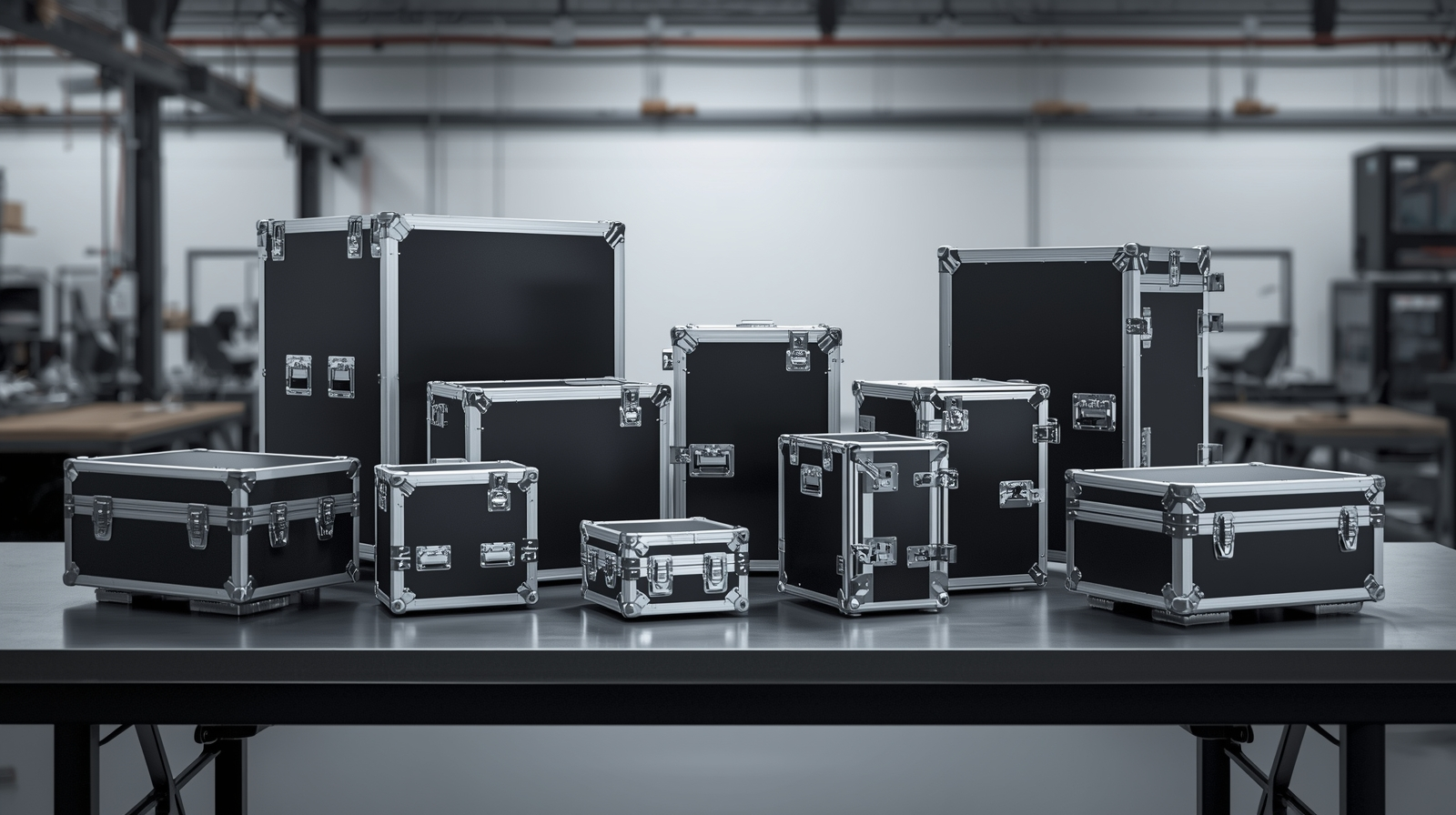
For retailers and distributors, buying aluminum cases wholesale is a practical move. The right units protect gear, simplify assemblies, and endure tough environments. This guide keeps things simple and actionable, focusing on what actually matters when you compare options, talk to suppliers, and place a bulk order. You’ll learn how to spot quality, understand lead times, and choose partners who can support steady sales and smooth projects. The goal is to help you make a confident choice that serves your customers well now and into the future.
Why aluminum enclosures the the practical choice
- • Strength without heavy weight: Aluminum gives solid protection while keeping shipping and handling easier than many metals.
- • Great corrosion resistance: Proper finishes help these enclosures stand up to rain, humidity, and outdoor use.
- • Good heat management: The metal helps spread heat away from sensitive electronics and components.
- • Flexible design options: You can pick from a range of sizes, mounting styles, and finish options to meet different customer needs.
- • Recyclability: Aluminum is easy to recycle, which can support sustainability goals.
- • Availability in multiple configurations: From compact units to larger housings, there are many standard sizes and features to choose from.
Key material and design features to consider
- • Alloys and temper: Look at common grades such as ones designed for strength or easier fabrication.
- • Wall thickness and weight: Thicker walls offer more protection but add weight and cost.
- • Finishes: Anodizing and powder coating are common; each changes wear resistance and cost.
- • Seals and environmental protection: IP ratings tell you how resistant a unit is to dust and water.
- • Internal layout: Consider mounting patterns, standoffs, and space for cables or fans.
- • Ports, cutouts, and fastening: Ensure there are sensible locations for connectors and ventilation.
- • Compatibility with accessories: Check that mounting brackets, feet, gaskets, and seals are easy to source.
Manufacturing and quality controls to verify
- • Production capabilities: Confirm the supplier can handle your order size with consistent quality.
- • Certifications and standards: ISO 9001 or similar certifications indicate reliable processes.
- • Material traceability: Ask for certificates of alloy and temper for each batch.
- • Tolerances: Clear tolerances affect fit for mounting hardware and components.
- • Surface and finish checks: Inspections help ensure uniformity and coating adhesion.
- • Testing options: Some manufacturers offer ingress or thermal tests for harsh environments.
- • Warranty and support: A reliable supplier offers clear replacement and return policies.
Standard cases vs. Custom Solutions
- • Standard lines: Quick to ship, widely compatible, and easy to stock.
- • Custom options: Check customization options, turnaround, and pricing impact.
- • Features to consider for customization: Extra mounting options, fans, gaskets, or special connectors.
- • Documentation: Ensure you receive detailed drawings and material certificates.
Planning your purchase: cost and logistics
- • Lead times: Bulk or custom orders take longer—request clear schedules.
- • Minimum order quantities: Confirm MOQs match your forecast.
- • Pricing structure: Request written quotes including setup or tooling costs.
- • Packaging and handling: Proper packaging prevents damage and returns.
- • Shipping and total landed cost: Account for freight, duties, and taxes when comparing suppliers.
- • Returns and warranty: Review policies for defects and replacements.
- • After-sales service: Access to support and documentation saves time.
Questions to ask suppliers before you place an order
- • Materials and finishes: Which alloys and finishes are available?
- • Environmental resistance: What IP rating and corrosion data are provided?
- • Tolerances and fit: What are the tolerances for mounting holes and joints?
- • Documentation: Can you provide certificates and drawings?
- • Customization options: What customization levels and timelines are offered?
- • Quality control: How is production quality tracked?
- • Lead times and capacity: Can you handle rush or large orders?
- • Support: How can I get samples and technical help?
- • Sustainability: Do you use eco-friendly or recyclable packaging?
- • Logistics: How is packaging and shipping handled?
A practical buying checklist for wholesale buyers
- • Define your needs: Size, layout, and special features.
- • Decide on environment: Indoor, outdoor, or harsh settings, and required IP rating.
- • Choose finishes: Aesthetic and durability preferences.
- • Check standards: Confirm certifications and compliance.
- • Request samples: Inspect fit, finish, and function before full run.
- • Review documentation: Material certificates and drawings.
- • Evaluate supplier reliability: Check record of on-time delivery and communication.
- • Compare total cost: Include all related expenses.
- • Confirm after-sales support: Warranty and technical help.
Putting it all together for your team
- • Gather a shortlist of suppliers who can meet your volume and deadlines.
- • Build an evaluation rubric for quality, finish, and support.
- • Request proposals, samples, and data sheets for fair comparison.
- • Involve your procurement and logistics teams early.
- • Choose a primary partner for standard items and a backup for custom ones.
Where to start with MSACase resources
If you’re exploring options for aluminum enclosures, it can help to review product sheets and drawings to understand what fits your line. For more information, visit msacase.com. The site is a practical reference for engineers and purchasing teams.
Choosing the right aluminum enclosures in bulk is about balancing strength, protection, and practicality with reliable delivery and solid support. By focusing on material choices, finishes, ratings, and manufacturing quality, retailers can secure dependable products. A thoughtful approach to customization and transparent pricing ensures efficient, informed decisions that serve customers well—now and in the future.
Frequently Asked Questions
What should I consider when buying an aluminum case?
Consider the case size, weight, intended use, durability, interior configuration, closure system, portability, and the type of equipment or items you need to protect.
How do I choose the right size aluminum case?
Choose a case that provides enough interior space for your equipment while allowing room for protective padding or custom foam. Avoid selecting a case that is unnecessarily large.
Are aluminum cases suitable for professional equipment?
Yes. Aluminum cases are commonly used to store and transport professional equipment, tools, electronics, instruments, medical supplies, and other valuable items that require protection.
Can aluminum cases be customized?
Yes. Depending on the manufacturer and application, aluminum cases can be customized with features such as foam inserts, compartments, handles, locks, wheels, branding, and specialized interiors.